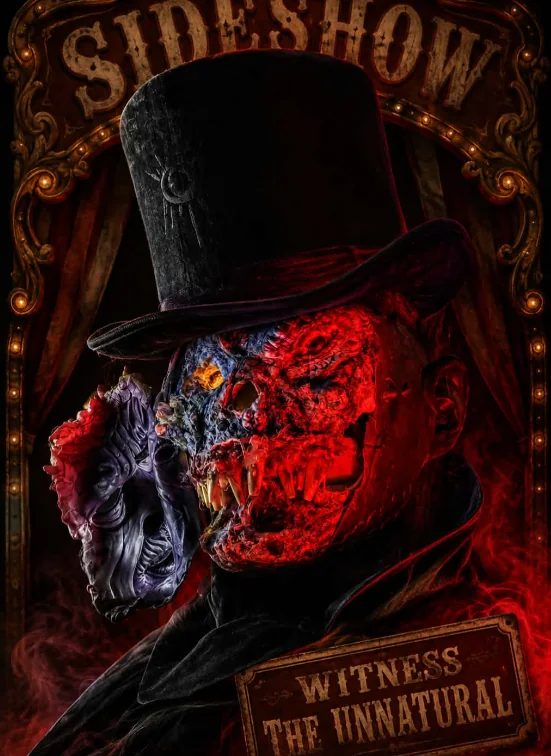
“Every strange collection needs a curator. Every haunted story needs someone willing to open the door.”
Long before Mr. Graves ever welcomed readers into the world of What Haunts Your Hometown, he existed only as an idea.
I wanted a character who felt like the great horror hosts I grew up watching. Someone with the mysterious presence of Rod Serling from The Twilight Zone, mixed with the eerie storytelling style of Beyond Belief. He wouldn’t be the monster chasing you through the woods. Instead, he’d be the one inviting you to sit down, dim the lights, and hear a story most people would rather forget.
I knew exactly who he was.
The challenge was bringing him into the real world.
Every Character Begins with a Pencil
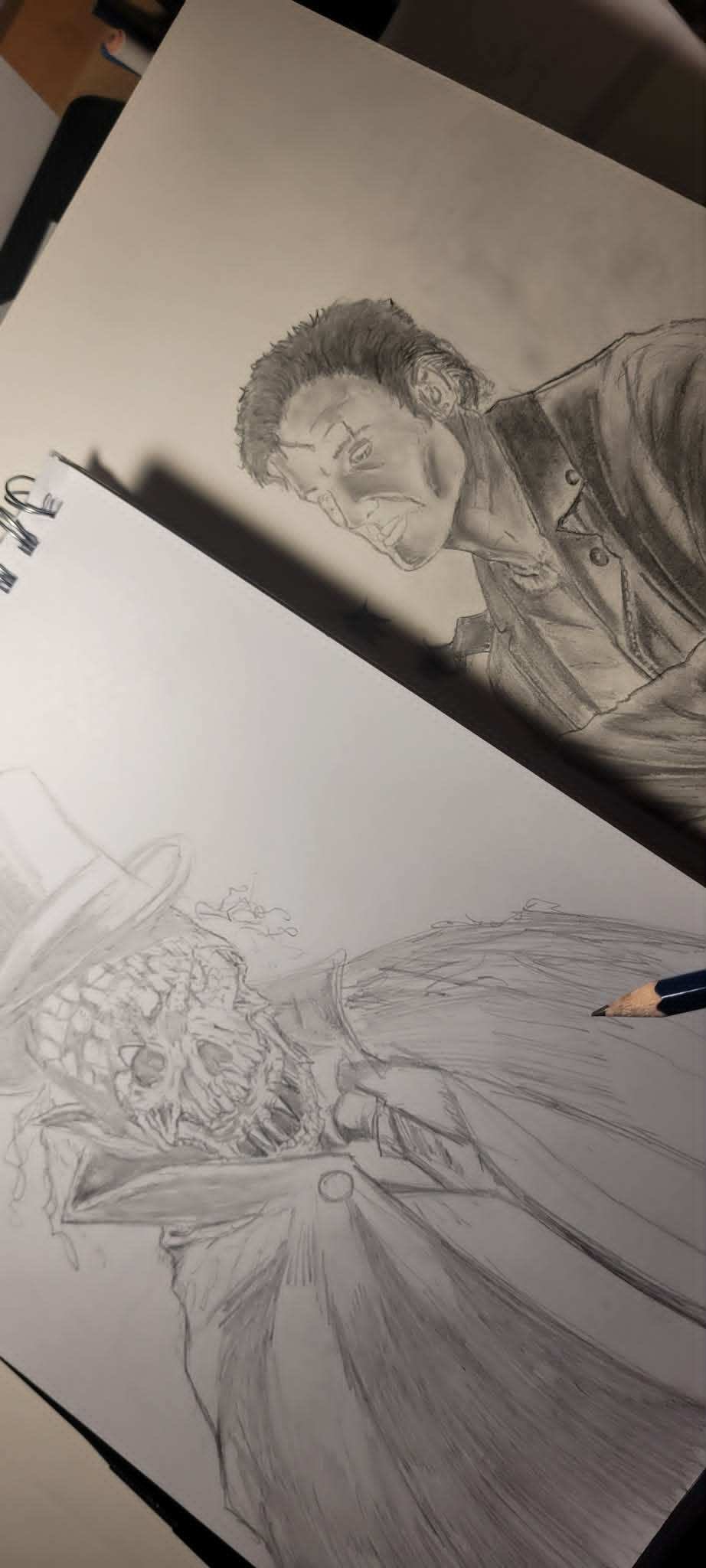
Like nearly every character I’ve ever created, Mr. Graves started with a simple sketch.
There were no special effects, no lighting, no digital tricks—just pencil and paper.
I spent time figuring out who he was before worrying about how he looked. His tall Victorian-style hat, his long coat, and his mysterious personality were all part of that original vision. He was always meant to be a collector of strange artifacts and forgotten stories, guiding viewers through the unexplained rather than becoming the center of attention himself.
His appearance needed to tell a story before he ever spoke a word.
Sculpting the Face
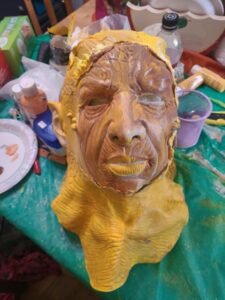
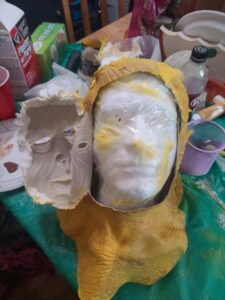
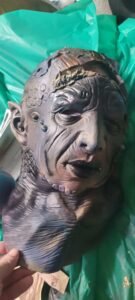
Once I was satisfied with the design, I sculpted his face in clay.
This was the point where Mr. Graves stopped being a drawing and became something tangible.
I wanted one side of his face to appear almost human while hinting that something far darker existed beneath the surface. That idea eventually grew into one of my favorite design elements: a removable outer face revealing the creature hidden underneath.
After finishing the sculpture, I created a mold so I could cast the face in latex.
That process alone taught me more about practical effects than I ever expected to learn.
Building on an Old Halloween Mask
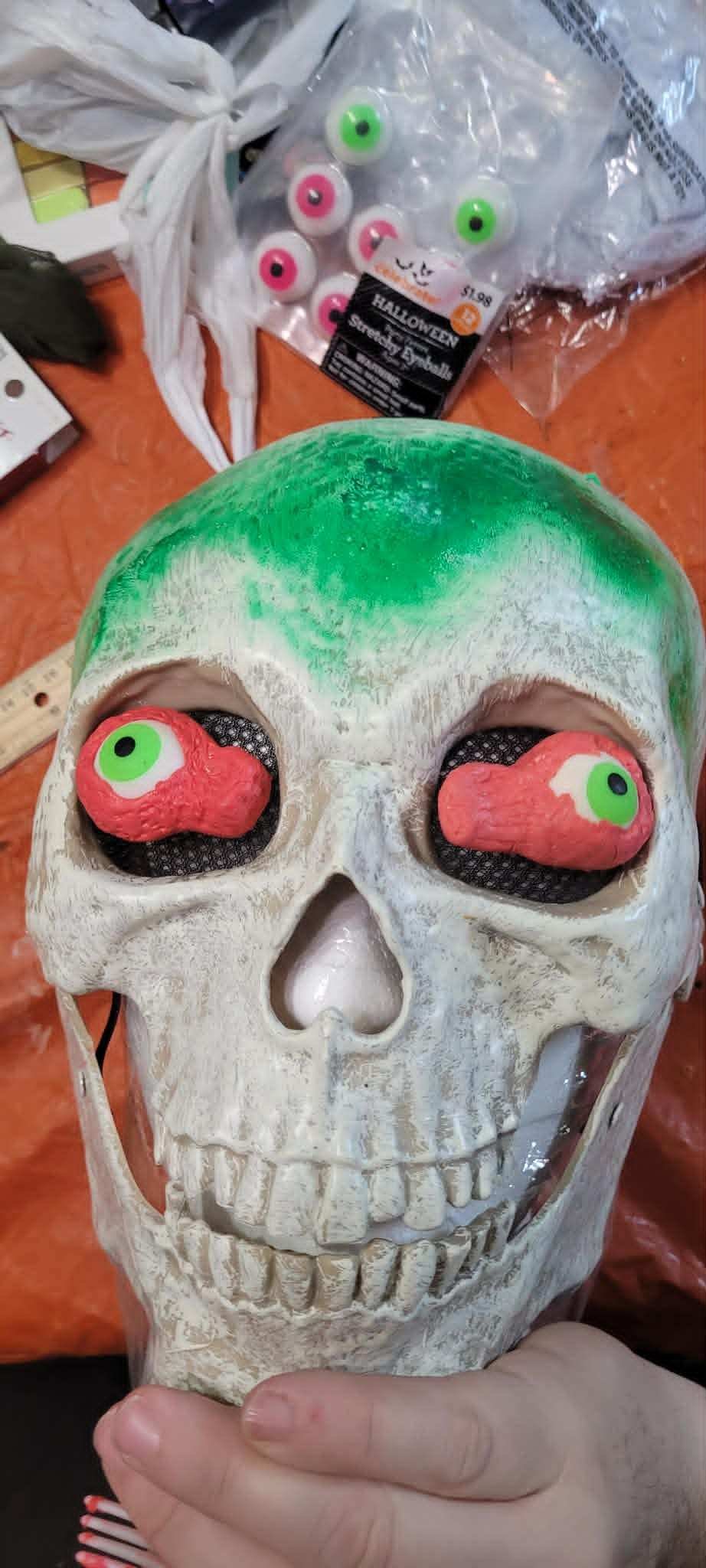
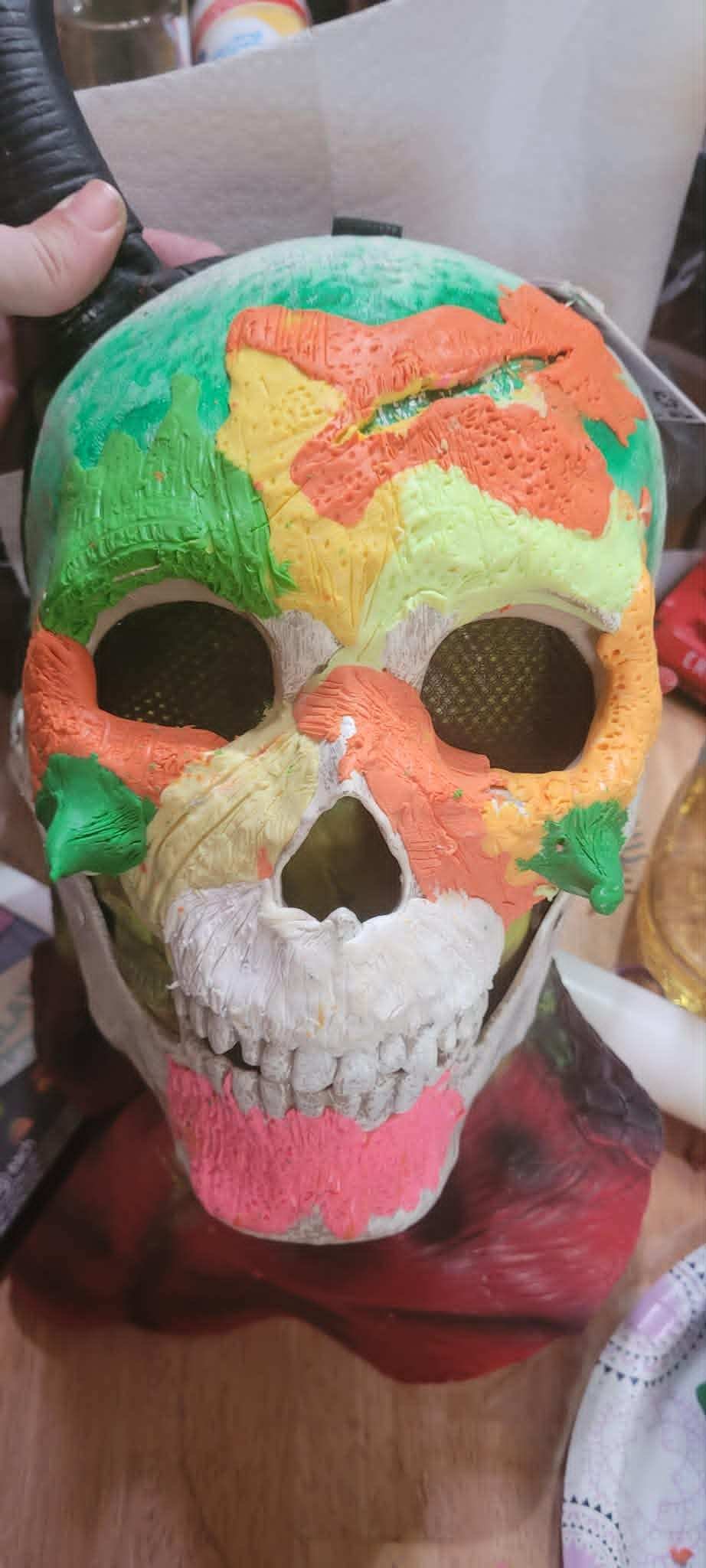
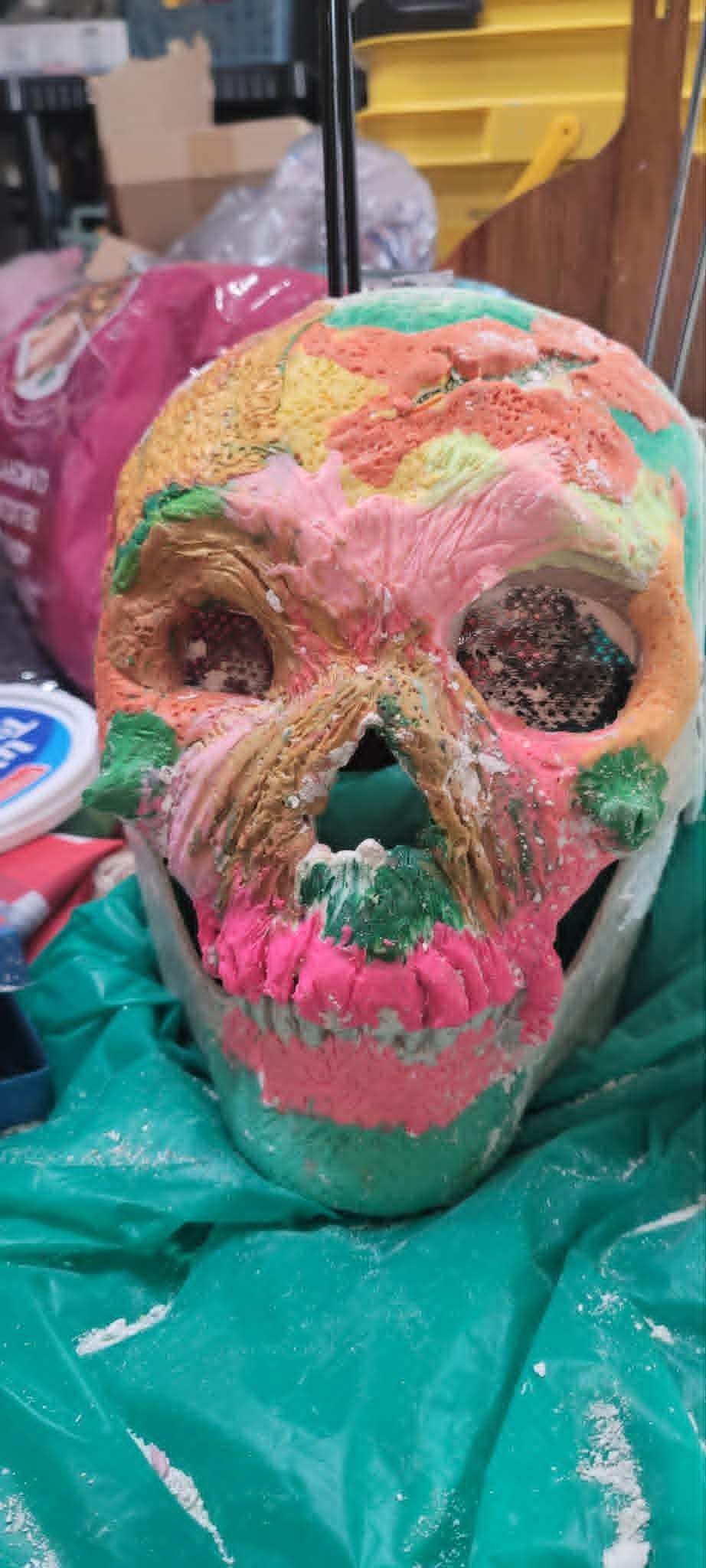
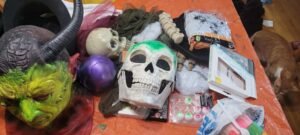
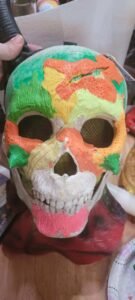
Instead of starting completely from scratch, I used an existing Halloween mask as the foundation.
It already had the mechanics I needed for a puppet, saving countless hours of work.
From there, I rebuilt almost everything.
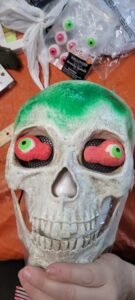
The latex face became the removable outer layer. Underneath, I transformed the original mask into the horrifying creature that audiences now recognize as Mr. Graves.
I also had an old devil mask sitting around the workshop. Rather than letting it collect dust, I carefully removed its horns and incorporated pieces of it into the design. I’ve always believed creativity often comes from seeing new possibilities in old materials.
Borrowing a Movie Trick
Years ago I read an article explaining how the designers created Baraka for Mortal Kombat.
One detail stuck with me.
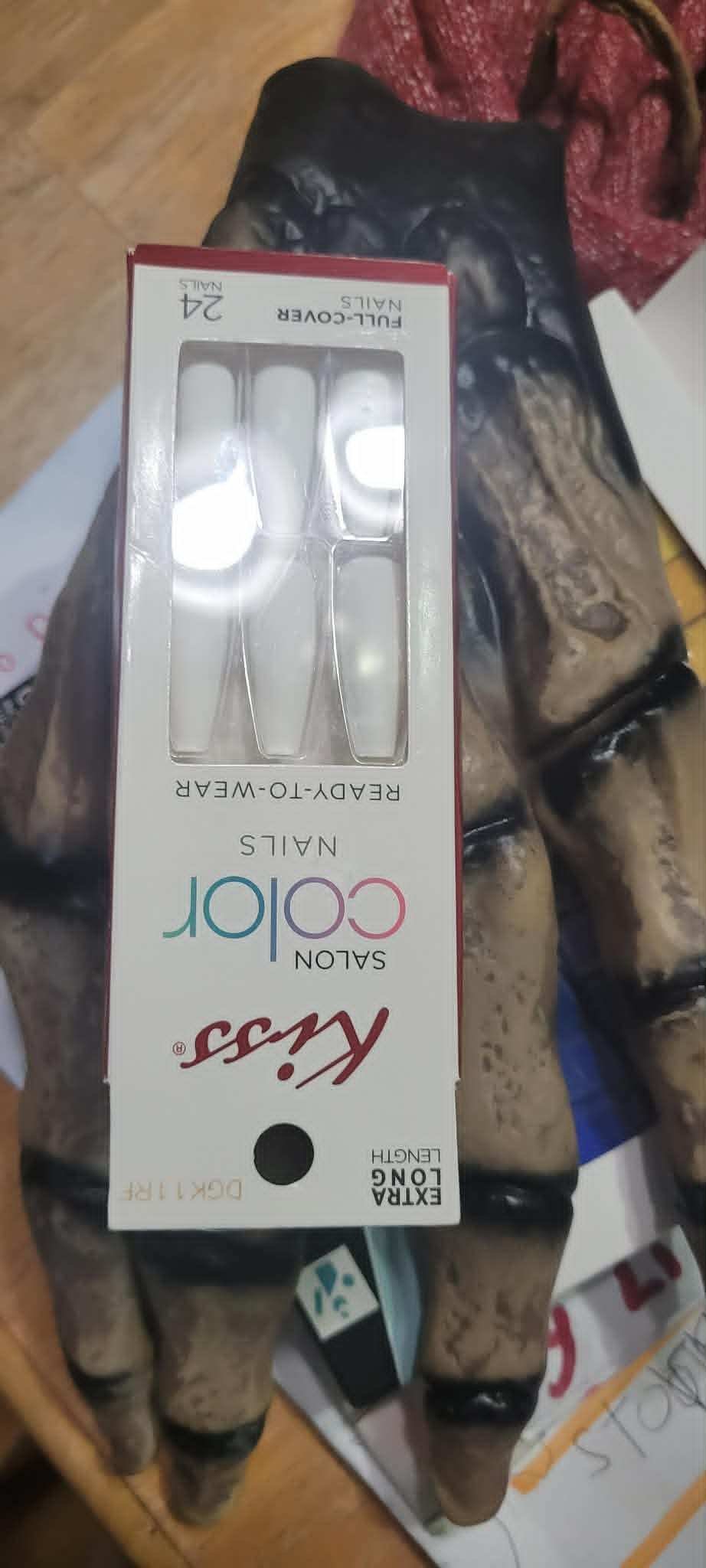
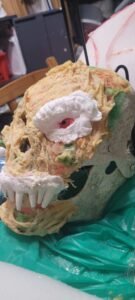
They reportedly used inexpensive press-on fingernails to create his teeth.
I loved the simplicity of the idea.
So I borrowed the concept and adapted it for Mr. Graves.
Sometimes the best special effects aren’t expensive—they’re clever.
Even today, many of those teeth are still holding surprisingly well.
One Eye Never Sleeps
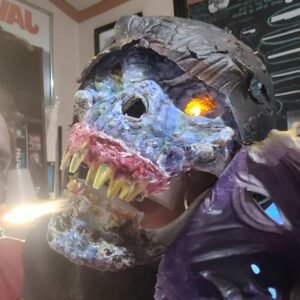
From the very beginning, I imagined Mr. Graves with one normal eye…
…and one eye that glowed.
Installing the LED turned out to be far more difficult than I expected.
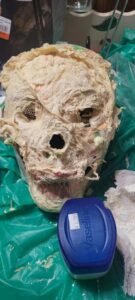
I learned the hard way that some jobs are much easier before permanently assembling the head. After making that mistake, I had to reopen sections of the mask, reinforce the inside with foam, reroute wiring, and rebuild portions I’d already finished.
It wasn’t fun.
But it was worth it.
That glowing eye instantly became one of his defining features.
Standing on His Own
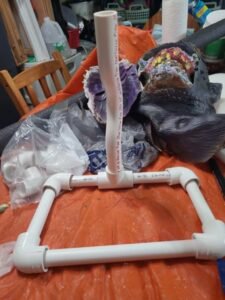
One problem I hadn’t planned for was gravity.
Once everything was assembled, Mr. Graves simply wouldn’t stand upright.
So I built a custom PVC support stand hidden beneath his wardrobe.
It’s one of those details most people never notice—and that’s exactly the point.
If a prop disappears into the illusion, you’ve done your job.
Finding His Hair
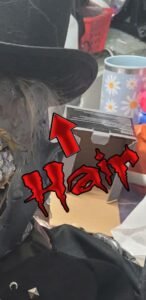
One of the few experiments that didn’t go quite as planned was his hair.
Originally, I tried making it by threading yarn with an animal grooming brush to create strands. The idea worked… until I painted it. Once the paint dried, the fibers became stiff and unnatural.
Back to the drawing board.
Eventually I visited a local Goodwill and found an old doll with hair that looked much more convincing. After repainting and weathering it, the results were far better.
You don’t notice it immediately, and honestly, it’s probably the part of the build I’m least satisfied with.
But every project teaches you something.
If I ever rebuild Mr. Graves from the ground up, I’ll know exactly how I’d approach it differently.
Learning to Paint with Light
Painting the creature underneath took several attempts.
Originally, the outer head featured brighter yellow tones.
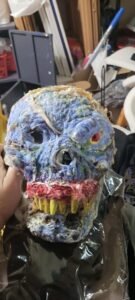
Eventually I realized darker metallic finishes worked much better with the dramatic lighting I wanted to use for photography and video.
That change completely transformed his appearance.
Sometimes the right paint color isn’t about how it looks in daylight.
It’s about how it looks under a spotlight.
Bringing Mr. Graves to Life
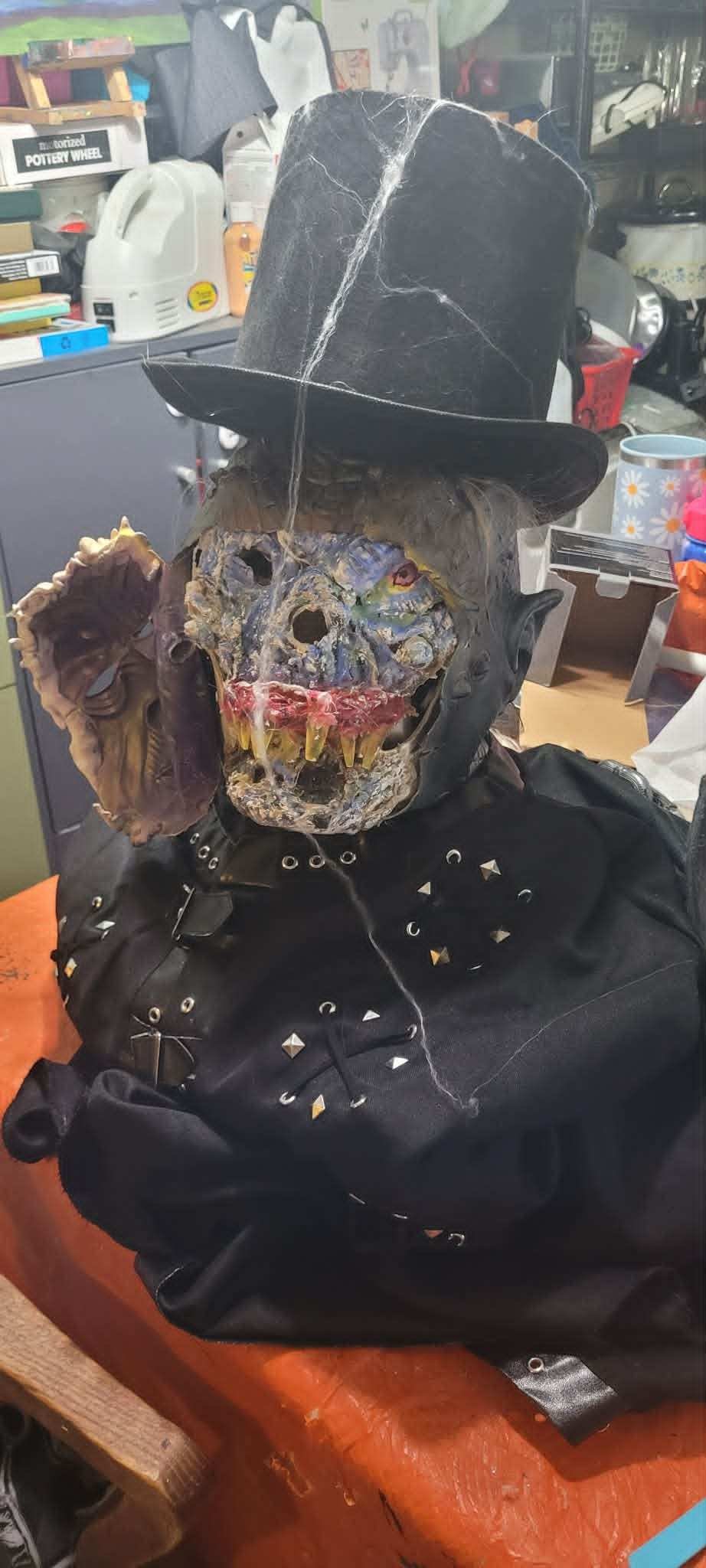
Once the puppet was complete, I finally had something I could photograph.
Something I could film.
Something that actually existed outside my imagination.
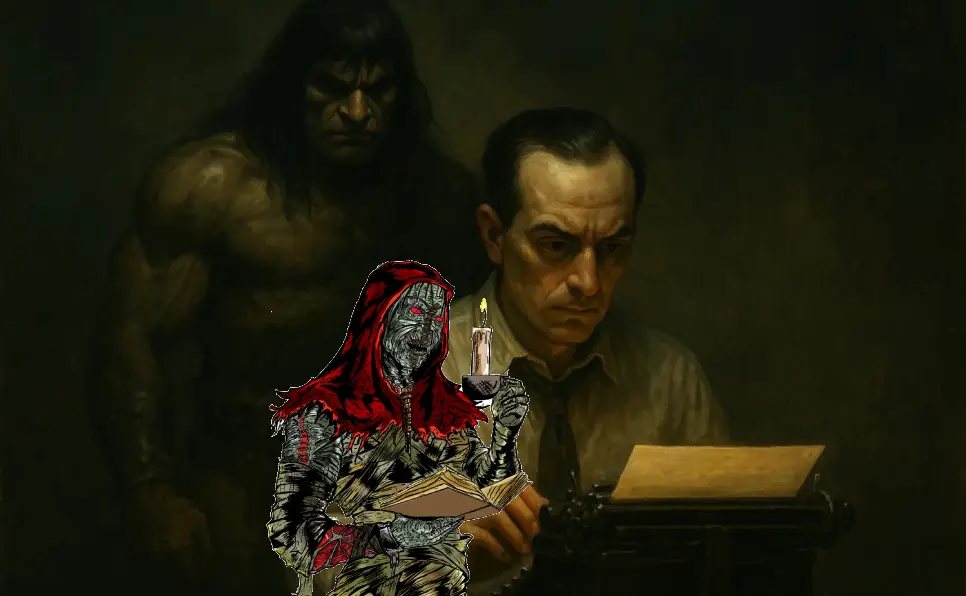
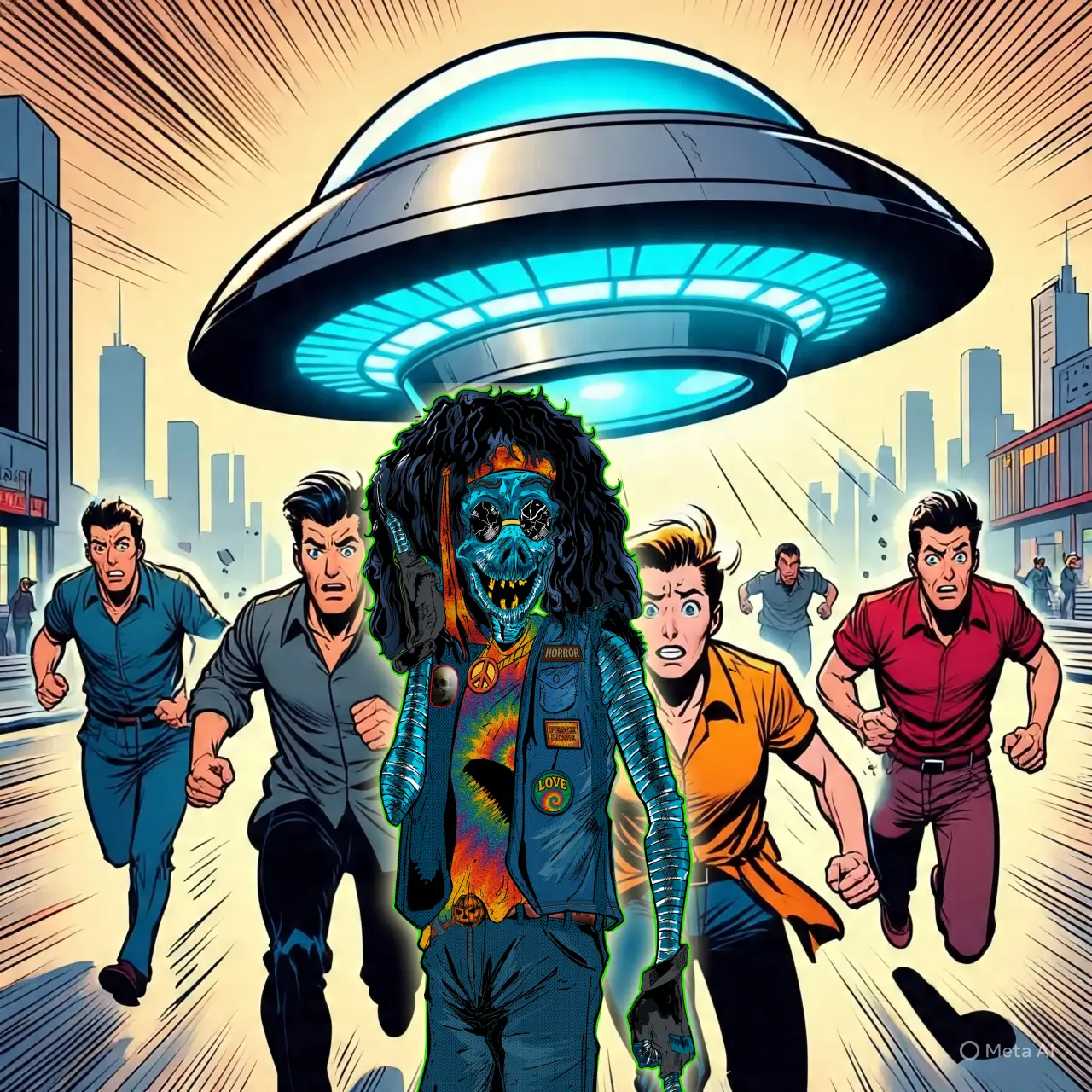
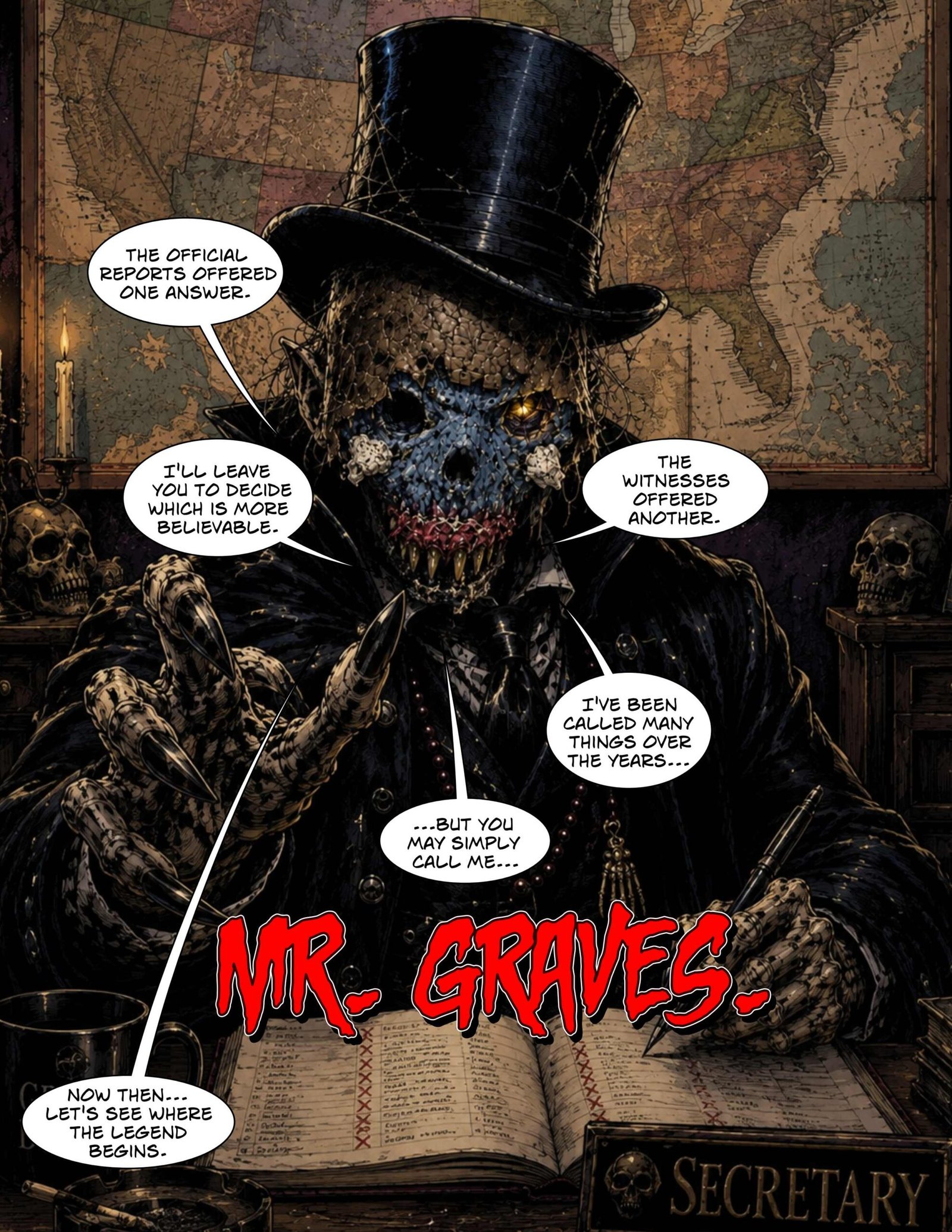
Later, modern digital tools—including AI-assisted imagery—allowed me to place him into cinematic environments that would have been difficult for me to build physically. Rich lighting, dramatic backgrounds, and atmospheric effects helped present him exactly as I’d imagined for years.
Those images weren’t the beginning of Mr. Graves.
They were simply the next chapter in his evolution.
From Practical Effects to Comic Books
Eventually, Mr. Graves made his way into the pages of What Haunts Your Hometown.
This is where he truly found his purpose.
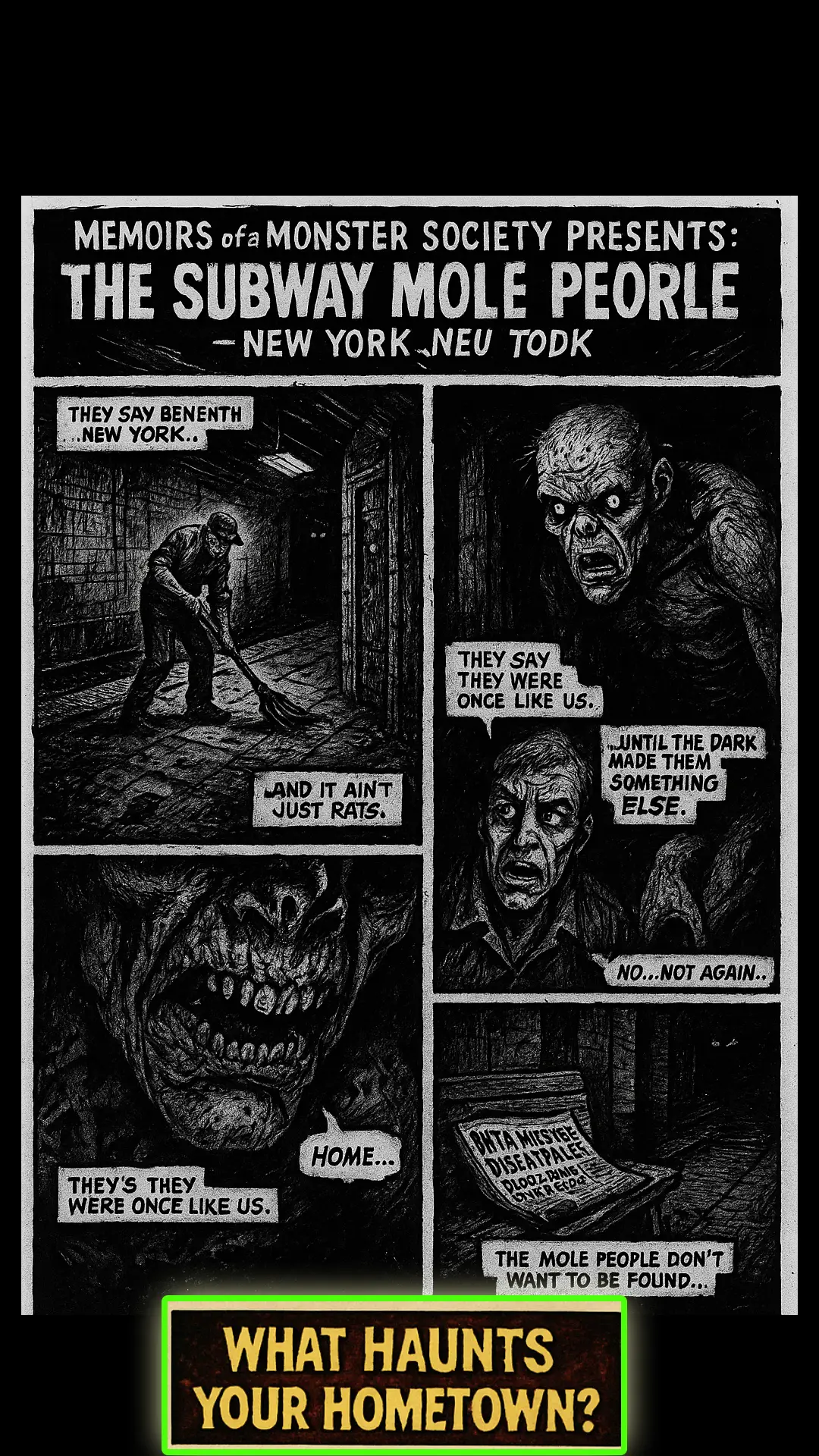
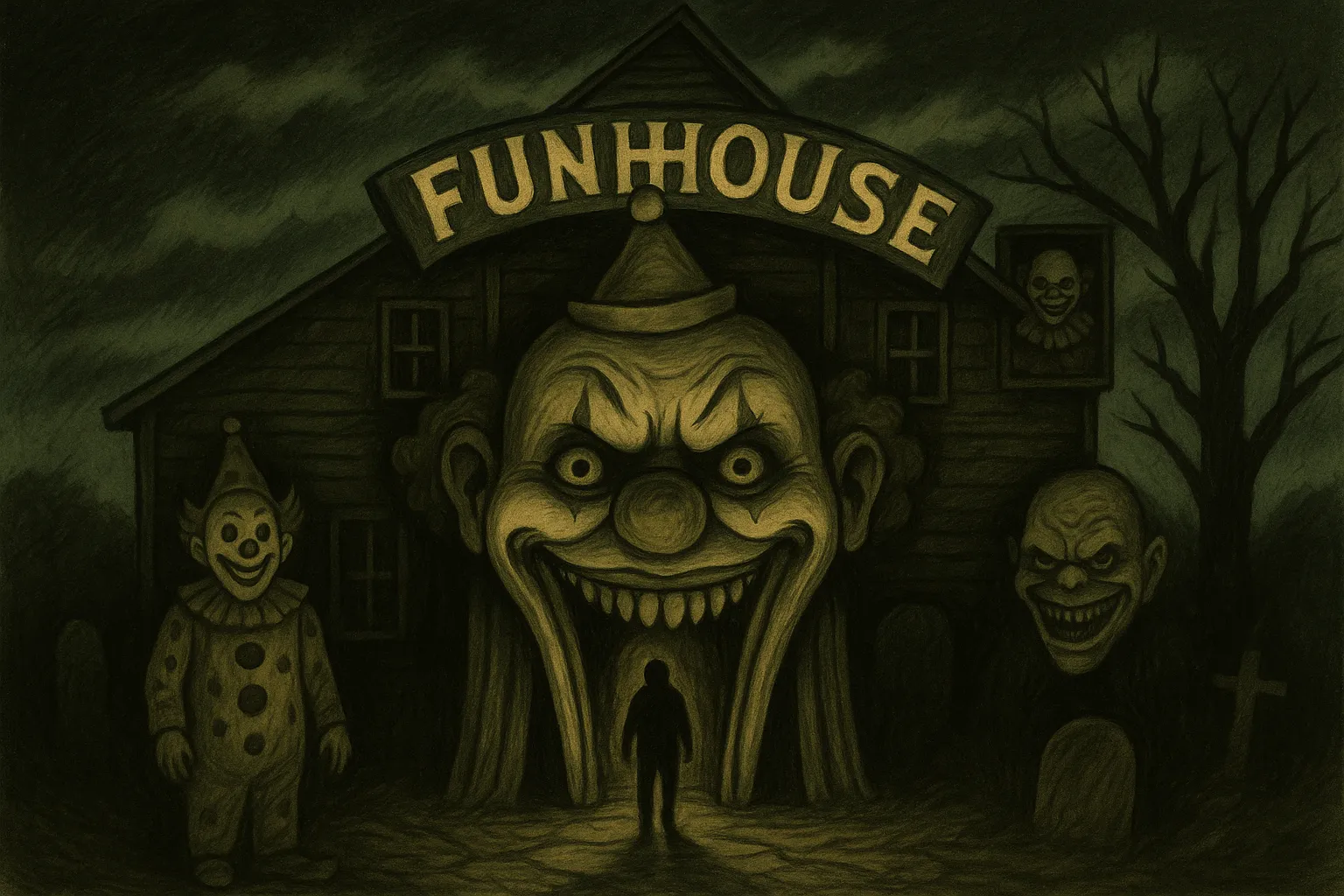
He became the mysterious storyteller introducing readers to abandoned hospitals, forgotten highways, unexplained lights in the sky, haunted buildings, strange creatures, and local legends passed down for generations.
He’s not there to convince you every story is true.
He’s there to ask a simple question.
What if it is?
What’s Next for Mr. Graves?
What’s Next for Mr. Graves?
His journey is far from over.
I’m currently developing a YouTube series where Mr. Graves will step into his role as host, guiding viewers through strange stories, forgotten folklore, local legends, paranormal mysteries, and the unusual corners of history that have always fascinated me.
Right now, the biggest challenge isn’t building the character anymore.
It’s finding the perfect voice.
Once that happens, Mr. Graves won’t just exist on comic pages or in photographs.
He’ll finally be able to tell his own stories.
Every Tool Has a Purpose
One thing building Mr. Graves taught me is that creativity rarely follows a straight line.
Over the years I used pencil sketches, clay sculpting, mold making, latex casting, foam clay, practical effects, LEDs, photography, painting, PVC construction, digital editing, comic illustration, and modern AI-assisted tools.
Each one solved a different problem.
None of them replaced imagination.
The character still had to be designed.
His personality still had to be written.
His stories still had to be told.
Tools don’t create characters.
People do.
Mr. Graves simply reminds me of that every time I look at him.
Where to Find Mr. Graves Today
Mr. Graves may have started as a sketch in a notebook, but today he’s become the mysterious host of What Haunts Your Hometown, introducing readers to strange tales inspired by local legends, haunted places, UFO encounters, forgotten history, and unexplained mysteries.
If you’d like to see what Mr. Graves is currently up to, I invite you to read our free WEBTOON series, What Haunts Your Hometown. Every episode explores a different mystery while Mr. Graves serves as your guide into the unknown.
You can begin reading The Hollow Sky here:
What Haunts Your Hometown on WEBTOON
Who knows…
The next story Mr. Graves tells may take place in your hometown
https://www.webtoons.com/en/canvas/what-haunts-your-hometown/list?title_no=1155410